Last updated: July 2026 · Reviewed against A.O. Smith and Rheem service documentation
Replacing a water heater thermocouple is one of the most common gas water heater repairs — and one of the cheapest. If your pilot light lights but goes out the moment you release the control dial, the thermocouple is almost certainly the culprit. The part costs $10–$20 and the job takes about 30–45 minutes with basic tools. Here is how to do it.
What the Thermocouple Does
The thermocouple is a thin metal rod positioned in the pilot flame. When heated, it generates a tiny voltage that tells the gas valve the pilot is lit, keeping the gas flowing. When it is dirty, bent out of the flame, or worn out, it stops signaling and the gas valve shuts off as a safety measure — which is why the pilot dies the instant you let go of the dial.
Tools and Parts You Will Need
- Replacement thermocouple (universal kits fit most units, $10–$20)
- Adjustable wrench or open-end wrenches (usually 3/8″ and 7/16″)
- Nut driver or screwdriver for the burner assembly
- A flashlight
⚠️ Turn the gas control to OFF and shut the gas supply valve before starting. Work only after the unit has cooled.
Step-by-Step Replacement
- Turn the gas control dial to OFF and close the gas supply valve.
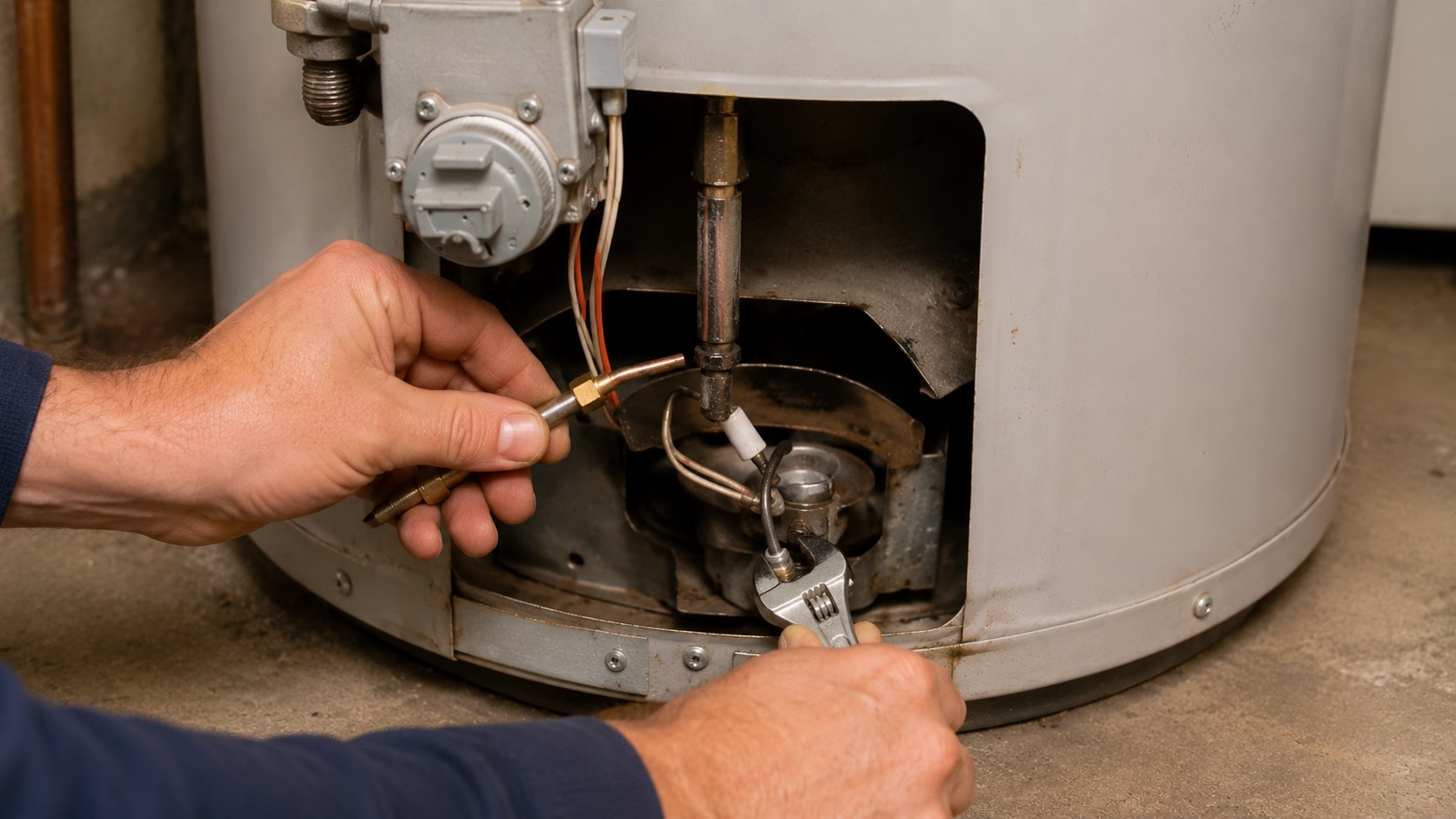
- Disconnect the three tubes at the gas valve: the thermocouple, the pilot supply tube, and the main burner tube (note their positions).
- Remove the burner assembly by sliding it out through the access opening.
- Unclip or unscrew the old thermocouple from the pilot bracket.
- Clip the new thermocouple into the same spot, tip in the pilot flame position.
- Slide the burner assembly back in and reconnect all three tubes — hand-tight plus a gentle quarter-turn with the wrench (do not overtighten).
- Reopen the gas, wait 5 minutes, and relight the pilot following the pilot light instructions.
If It Still Won’t Stay Lit
If a new thermocouple does not fix it, check that its tip actually sits in the pilot flame (a weak or misaligned pilot will not heat it) and that the connection at the gas valve is snug. If the pilot flame itself is weak or yellow, the pilot orifice may be clogged. If everything looks right and it still fails, the gas control valve may be faulty — that is a job for a professional.
Cost: DIY vs. Pro
The DIY cost is just the $10–$20 part. A plumber typically charges $150–$300 for the same job including the visit. Given how inexpensive the part is, it is a popular DIY repair — but if you are not comfortable working with gas connections, it is money well spent to have a pro do it.
FAQ
How do I know if my thermocouple is bad?
The classic sign: the pilot lights while you hold the control dial down but goes out the moment you release it. That means the thermocouple is not sensing the flame and is shutting off the gas. Cleaning it sometimes helps; replacing it usually fixes it for good.
Can I clean a thermocouple instead of replacing it?
Sometimes. Gently rubbing the tip with fine sandpaper or steel wool to remove soot can restore a marginal thermocouple. But given the part costs only $10–$20, most people replace it while the burner is out rather than risk it failing again soon.
Are water heater thermocouples universal?
Universal thermocouple kits fit the majority of residential gas water heaters and are sold by length. Match the length to your old one. Some newer units use a combined thermopile or a sealed pilot assembly instead — check your model if a standard thermocouple does not match.
Sources: U.S. Department of Energy — Water Heating · manufacturer service documentation (A.O. Smith, Rheem, Bradford White).