Last updated: July 2026 · Reviewed against A.O. Smith and Rheem service documentation
A water heater making noise — popping, rumbling, crackling, or a high-pitched whine — is usually telling you about sediment. The most common cause by far is mineral buildup at the bottom of the tank, which is harmless to fix but worth addressing before it shortens the tank’s life. Here is what each sound means and how to quiet it.
What Each Noise Means
| Sound | Most likely cause | Fix |
|---|---|---|
| Popping / rumbling | Sediment at tank bottom | Flush the tank |
| Crackling / sizzling | Condensation (gas) or sediment on elements (electric) | Usually normal, or flush |
| High-pitched whine / screech | Restricted valve or high pressure | Check T&P valve, pressure |
| Ticking / tapping | Pipes expanding, heat traps | Normal |
| Knocking / hammering | Water hammer in pipes | Water hammer arrestor |
The Most Common Cause: Sediment
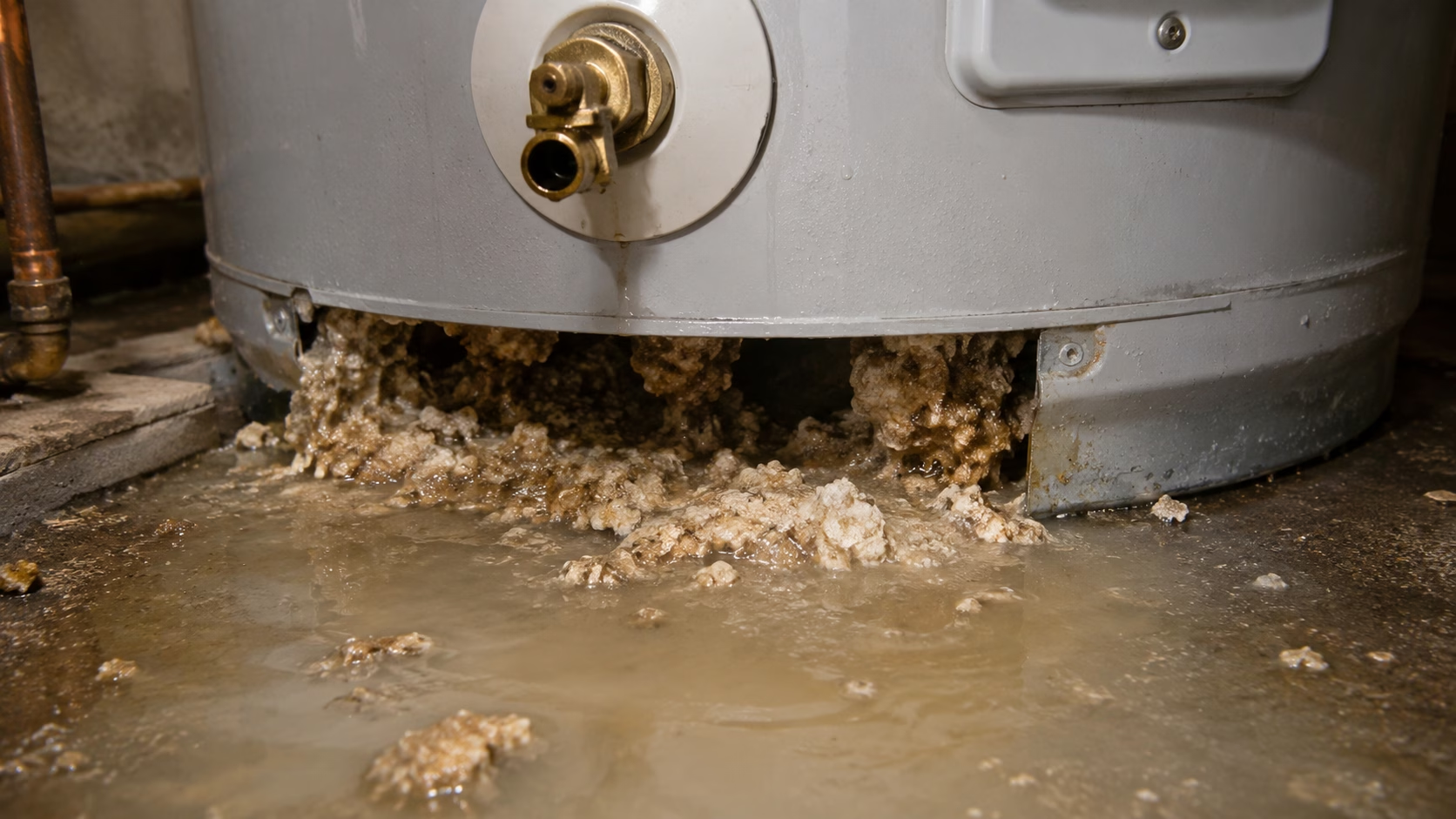
Popping and rumbling — the noises most people hear — come from sediment. Minerals settle at the bottom of the tank, and on gas heaters the burner heats through that layer. Water trapped under the sediment boils and forces its way up, making the popping sound, like a covered pot boiling over. It is not dangerous, but it means the burner is working harder and overheating the tank bottom, which shortens its life.
The fix is to flush the water heater to remove the sediment. On a tank that has never been flushed, this often quiets it dramatically. In hard water areas, flush annually to keep it quiet.
Other Causes and Fixes
- Crackling on a gas unit: often just condensation dripping onto the burner — normal, especially early in a heating cycle.
- Sizzling on an electric unit: sediment covering the lower heating element; flushing helps, or the element may need replacing.
- Screeching or whistling: water forcing through a partly closed valve. Check that inlet and outlet valves are fully open, and check the T&P valve.
- Knocking in the walls: water hammer when a valve closes — not the heater itself; a water hammer arrestor solves it.
When to Worry
Most water heater noises are harmless sediment sounds. Take action if you hear a screeching that suggests a pressure problem, or if noise comes with other symptoms like leaking or no hot water. Persistent rumbling on an old, never-flushed tank is a sign it is overworked — flushing helps, but a very old tank with heavy buildup may be nearing the end of its life anyway.
FAQ
Why is my water heater making a popping noise?
Sediment at the bottom of the tank. Water trapped under the mineral layer boils and pops its way through as the burner heats. It is harmless but means the tank is working harder — flushing the tank removes the sediment and usually stops the noise.
Is a noisy water heater dangerous?
Popping and rumbling from sediment are not dangerous, just a sign of buildup. A high-pitched screech can indicate a pressure or valve issue worth checking. Noise combined with leaking or no hot water warrants a closer look.
How do I stop my water heater from making noise?
For the most common popping/rumbling, flush the tank to remove sediment. For whistling, check that valves are fully open. For knocking in the pipes, install a water hammer arrestor. Regular annual flushing prevents most noise.
Sources: U.S. Department of Energy — Water Heating · manufacturer service documentation (A.O. Smith, Rheem, Bradford White).