Last updated: July 2026 · Based on Mitsubishi Electric heat pump documentation
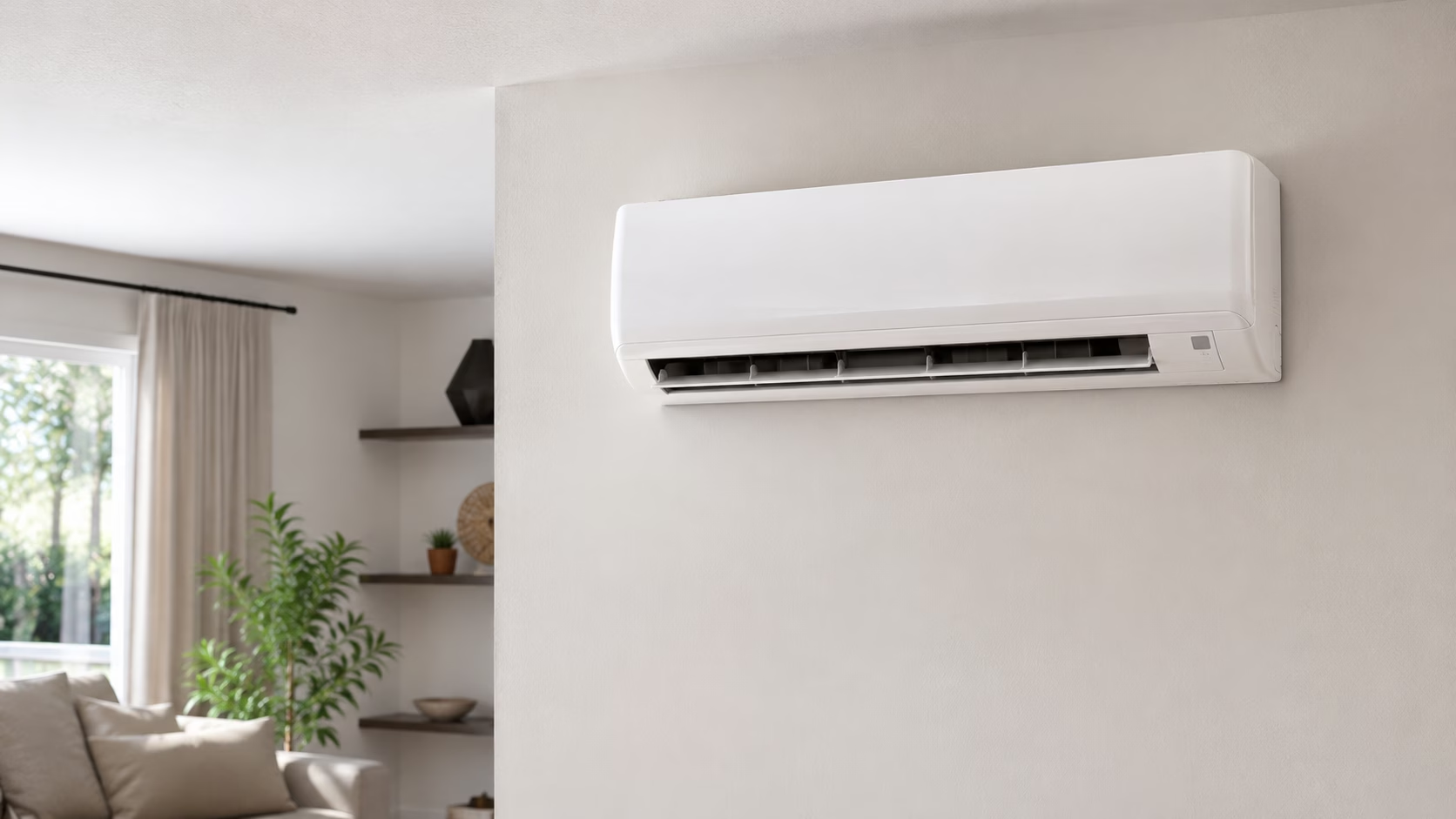
Mitsubishi is one of the most popular heat pump brands in the U.S., especially for ductless mini-split systems. They are known for quiet operation, strong cold-climate performance, and reliability — but like any system, they have common issues, blink error codes, and need specific maintenance. Here is a homeowner’s guide to Mitsubishi heat pumps: how they work, common problems, error codes, and upkeep.
Why Mitsubishi Heat Pumps Are Popular
Mitsubishi Electric (often sold under the Mitsubishi Electric Trane HVAC / METUS partnership in the U.S.) makes both ductless mini-splits and ducted systems. Their Hyper-Heating (H2i) models are popular in cold climates because they maintain strong heating output well below freezing, where older heat pumps struggled. They are prized for quiet indoor units, energy efficiency, and zoned comfort — heating and cooling individual rooms.
Common Mitsubishi Heat Pump Problems
| Symptom | Likely cause |
|---|---|
| Not heating or cooling | Dirty filter, thermostat, or refrigerant |
| Indoor unit flashing light | Error code — read the blink pattern |
| Water dripping from indoor unit | Clogged condensate drain line |
| Ice on outdoor unit | Defrost issue or low refrigerant |
| Weak airflow | Dirty filters (clean monthly) |
| Unit won’t respond to remote | Remote batteries or signal issue |
Reading Mitsubishi Error Codes
Mitsubishi systems signal faults through blinking LEDs on the indoor unit and alphanumeric codes on the remote or the outdoor board. Codes follow a letter-number format — for example, P-codes often relate to pressure or temperature sensors, and E-codes to communication errors between indoor and outdoor units. Note the exact code and check it against your model’s manual; it pinpoints whether the issue is a sensor, communication, refrigerant, or fan fault before a technician even arrives.
Mitsubishi Maintenance Basics
Mini-splits need slightly different care from ducted systems:
- Clean the indoor filters monthly — pop off the front panel, slide out the mesh filters, rinse, and dry. This is the single most important task for a mini-split.
- Keep the outdoor unit clear of leaves, snow, and debris.
- Check the condensate drain line — a clog causes water to drip from the indoor head.
- Annual professional service for refrigerant, coils, and electrical.
The general principles are the same as any system — see our heat pump maintenance guide — but mini-split filter cleaning is more frequent and owner-done.
When to Call a Pro
Call a Mitsubishi-experienced technician for refrigerant issues, persistent error codes, communication (E) faults between units, or anything involving the compressor or control boards. For general troubleshooting first, see how to fix a heat pump and heat pump not heating.
FAQ
Are Mitsubishi heat pumps reliable?
Yes, Mitsubishi Electric heat pumps have a strong reliability reputation, particularly their ductless mini-splits and cold-climate Hyper-Heating models. Regular filter cleaning and annual service keep them running well for 15–20 years.
Why is my Mitsubishi heat pump flashing a light?
A blinking light on the indoor unit indicates an error code. Note the blink pattern or the code shown on the remote, then match it to your model’s manual — it identifies whether the fault is a sensor, refrigerant, fan, or communication issue between the indoor and outdoor units.
How often should I clean my Mitsubishi mini-split filters?
Clean the indoor filters about once a month. Pop off the front panel, slide out the mesh filters, rinse them, let them dry, and reinstall. Clean filters are essential for airflow, efficiency, and preventing many performance complaints.
Sources: U.S. Department of Energy — Heat Pump Systems · Mitsubishi Electric service documentation.