Last updated: July 2026 · Reviewed against oil furnace service documentation
Oil furnaces heat millions of homes, especially across the Northeast, and they work differently from gas furnaces — burning heating oil from a storage tank through a burner and nozzle. That means different maintenance, different problems, and a different repair approach. Whether yours won’t start, is puffing smoke, or needs a tune-up, here is what every oil furnace owner should know.
How an Oil Furnace Works
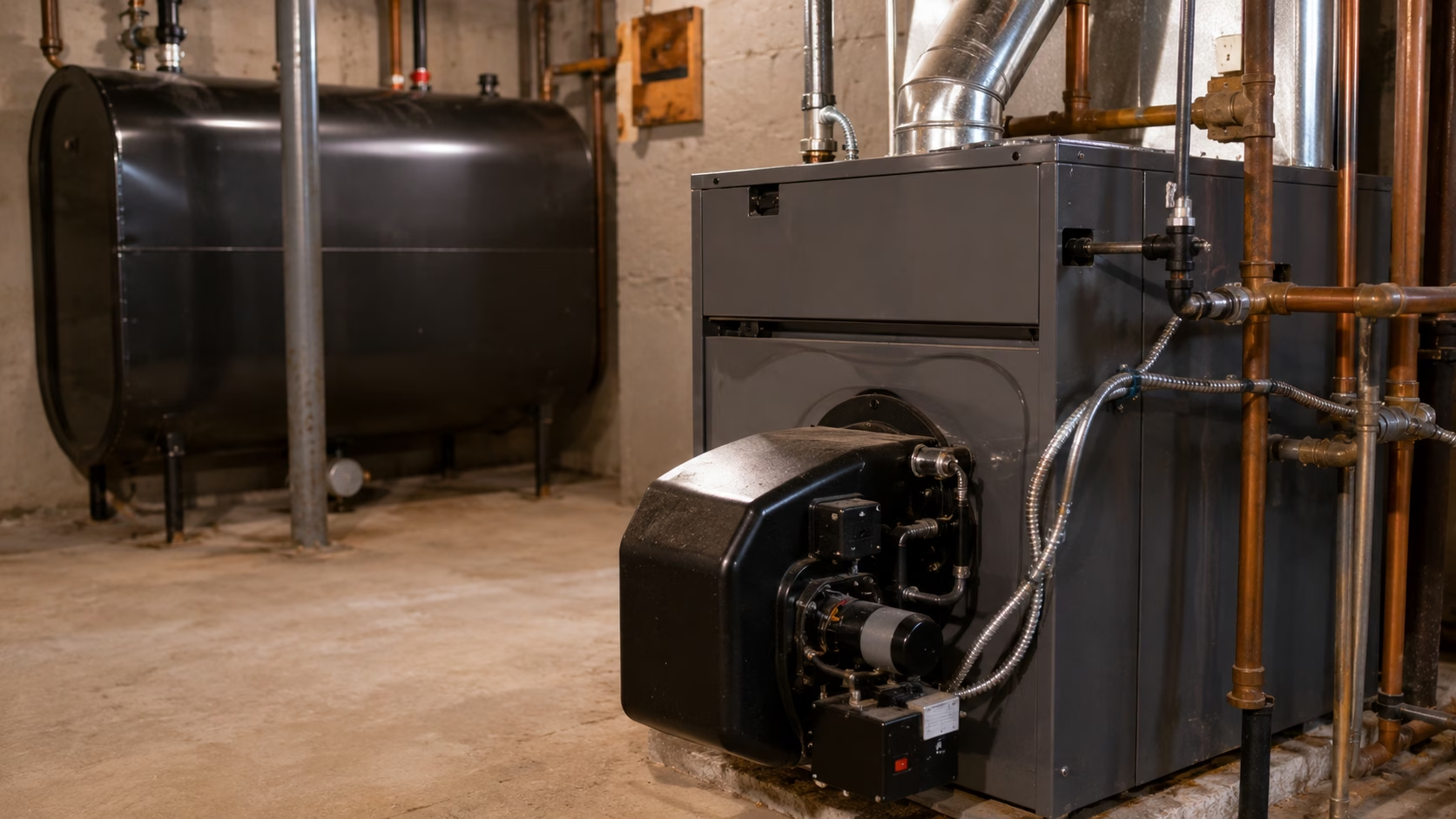
An oil furnace pulls heating oil from a storage tank, atomizes it through a nozzle, and ignites the fine spray with an electrode to produce heat. Key components — the nozzle, oil filter, electrodes, and the pump — are consumables that need regular service. This is why oil furnaces require a more hands-on annual tune-up than gas: the combustion process is dirtier and the parts wear.
Common Oil Furnace Problems
| Symptom | Likely cause |
|---|---|
| Won’t start / no heat | Out of oil, tripped reset, clogged filter/nozzle |
| Furnace “rumbles” or puffs smoke | Delayed ignition, dirty burner — service now |
| Soot or odor | Incomplete combustion, needs tuning |
| Frequent reset trips | Nozzle, filter, or ignition problem |
| Runs but weak heat | Dirty filter, worn nozzle, low oil |
First Checks When It Won’t Start
- Check the oil level. The most common cause — an empty or near-empty tank. Check the gauge.
- Press the reset button once. The burner’s reset (a red button on the primary control) can be pressed once if the furnace locked out. Never press it repeatedly — that floods the chamber with unburned oil.
- Check the thermostat and power to the furnace.
- Check the emergency switch — often a red switch plate at the top of the basement stairs or near the furnace.
⚠️ Press the burner reset button only ONCE. Repeatedly pressing it pumps unburned oil into the combustion chamber, creating a fire hazard and a messy, expensive cleanup.
Oil Furnace Maintenance
Oil furnaces need an annual professional tune-up — more essential than for gas. A proper service replaces the oil filter and nozzle, cleans the burner and combustion chamber, checks and adjusts the electrodes, tests combustion efficiency, and inspects the tank and lines. Between visits, the owner’s job is mainly keeping oil in the tank and the air filter clean. Skipping the annual tune-up is the leading cause of oil furnace breakdowns and soot problems.
When to Call a Pro
Call a technician if the furnace puffs smoke, rumbles on ignition (delayed ignition is dangerous), produces soot or odor, or keeps locking out after one reset. Oil burner work — nozzles, pumps, electrodes, combustion tuning — requires specialized tools and training. For lifespan and replace-vs-repair guidance, see how long a furnace lasts and furnace repair cost.
FAQ
Why won’t my oil furnace start?
The most common reasons are an empty oil tank, a tripped burner reset, or a clogged oil filter or nozzle. Check the oil level first, press the reset button only once, and confirm the thermostat and emergency switch. If it locks out again, call for service.
How often does an oil furnace need servicing?
Once a year, without exception — oil furnaces need more maintenance than gas. The annual tune-up replaces the nozzle and oil filter, cleans the burner, and tunes combustion. Skipping it is the top cause of breakdowns and soot.
Why does my oil furnace keep needing to be reset?
Repeated lockouts usually mean a clogged nozzle or oil filter, an ignition (electrode) problem, or a failing pump. Do not keep pressing reset — press it only once, then call a technician if it trips again, since repeated resets flood the chamber with oil.
Sources: U.S. Department of Energy — Home Heating Systems · oil furnace service documentation.