Last updated: July 2026 · Reviewed against Carrier, Goodman and Trane service documentation
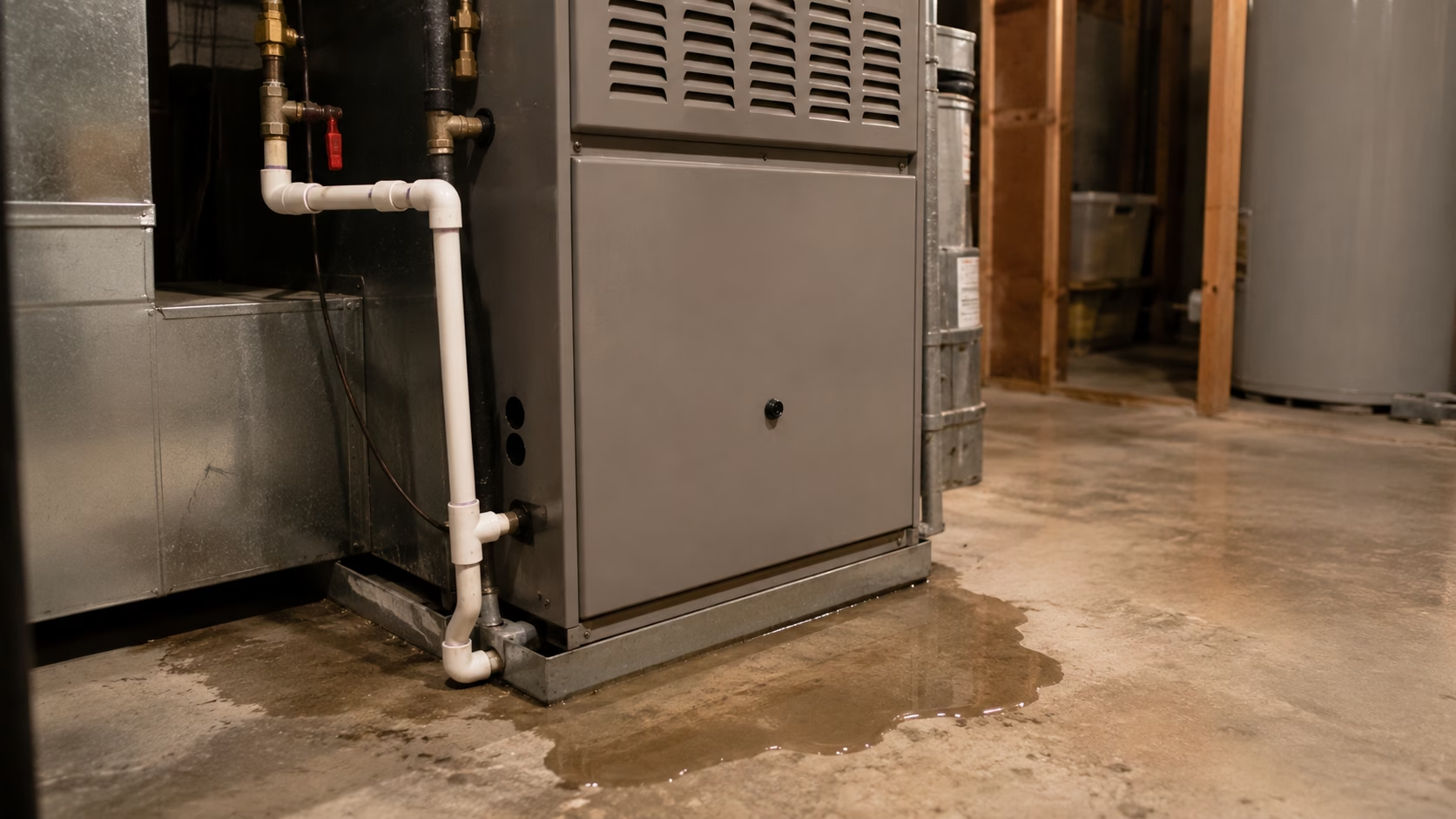
Water pooling around your furnace is almost always one of two things: a clogged condensate drain on a high-efficiency furnace, or condensation from a problem with a standard-efficiency furnace’s flue. It is rarely an emergency, but you should find the source quickly — water near electrical components and the control board can cause bigger failures. Here is how to diagnose it.
First: Which Furnace Do You Have?
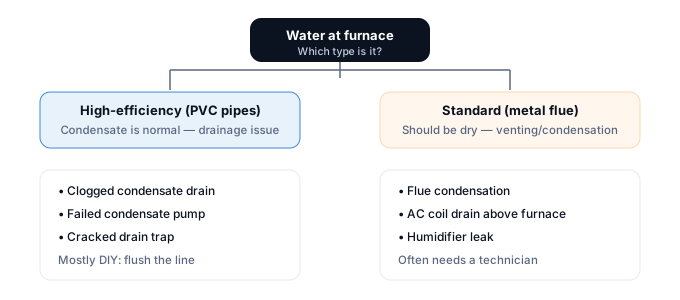
The cause depends on your furnace type. High-efficiency furnaces (90%+ AFUE) have white PVC exhaust pipes and produce condensate as a normal byproduct — so leaks are usually a drainage problem. Standard-efficiency furnaces (metal flue) should not produce water, so any leak points to condensation or, occasionally, a humidifier or AC issue sharing the space.
Cause 1: Clogged Condensate Drain (High-Efficiency)
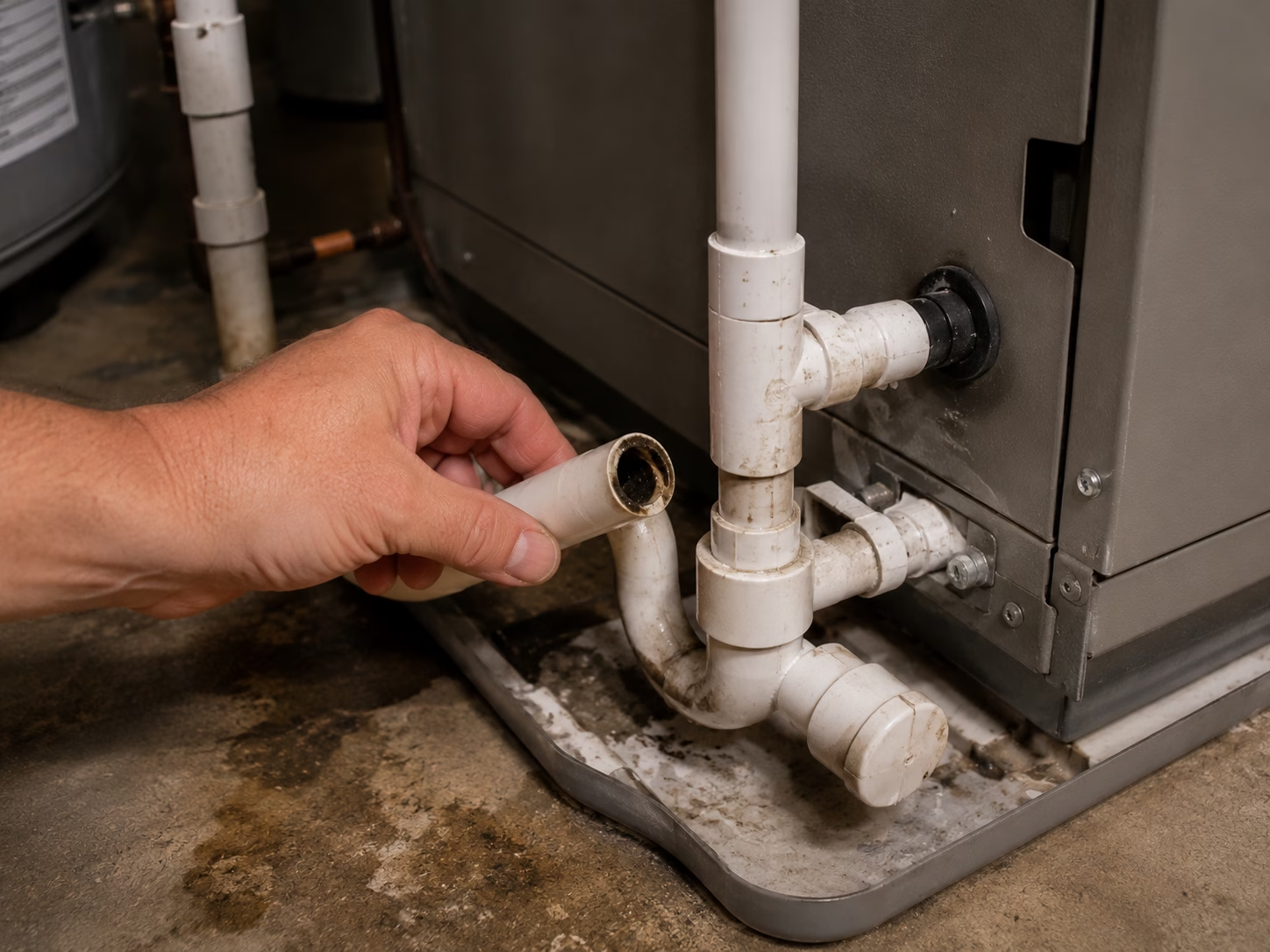
This is the most common cause. High-efficiency furnaces drain acidic condensate through a tube to a floor drain or condensate pump. Over time, the drain line, trap, or pump clogs with sediment and algae, and water backs up and overflows. Clearing the line (detach it and flush with a mix of warm water and a little vinegar) usually fixes it. If a condensate pump is involved, check that it is powered and not jammed.
Cause 2: Condensate Pump Failure
If your furnace sits below the drain line and uses a pump to lift condensate away, a failed pump lets water spill onto the floor. Test it by pouring water into the pump reservoir — it should kick on and pump out. A replacement pump runs $40–$100.
Cause 3: Flue/Condensation on Standard Furnaces
On a standard-efficiency furnace, an oversized or improperly sloped metal flue can cause exhaust gases to cool and condense, dripping water back down. This needs a technician to correct the venting. It is less common but should not be ignored, as it can indicate a venting problem.
Cause 4: It Might Not Be the Furnace
If your AC evaporator coil sits on top of the furnace (a common setup), a clogged AC condensate drain will drip water onto and around the furnace — especially in cooling season. A whole-house humidifier mounted on the furnace can also leak. Trace the water to its true source before assuming the furnace itself is at fault.
When to Call a Pro
Call an HVAC technician if the leak is from the flue/venting, if you cannot clear the condensate line, or if water has reached the burner or control board. If the furnace also will not run, that water may have tripped a safety switch — see our guide to a furnace not turning on. Most drainage fixes run $100–$250.
FAQ
Is a furnace leaking water an emergency?
Usually not an immediate emergency, but act promptly. Water near the burner, electrical connections, or control board can cause corrosion and bigger failures. Turn off the furnace, mop up the water, and find the source.
Why is my furnace leaking water only when heating?
Water appearing during heating points to condensate on a high-efficiency furnace — typically a clogged drain line or failed pump. Water only during cooling season points instead to the AC coil drain sharing the furnace cabinet.
Can I run my furnace if it is leaking water?
Turn it off until you find and fix the source. Running it risks water reaching electrical parts, and on high-efficiency units a full condensate trap will trip a safety switch and stop the furnace anyway.
Sources: U.S. Department of Energy — Home Heating Systems · manufacturer service manuals (Carrier, Goodman, Trane).