Last updated: July 2026 · Reviewed against Carrier, Goodman and Trane maintenance guidelines
Regular furnace maintenance is the single best way to avoid a mid-winter breakdown, cut heating bills, and make your furnace last 15–20 years instead of 10. Most of it is simple enough to do yourself — changing filters, clearing vents, checking the flame — with one professional tune-up a year for the parts that need tools and training. Here is the complete maintenance checklist, what you can DIY, and what to leave to a pro.
Why Furnace Maintenance Matters
A neglected furnace works harder, costs more to run, and fails sooner — usually on the coldest night of the year. Beyond reliability, maintenance is a safety issue: a cracked heat exchanger or blocked vent can leak carbon monoxide. Manufacturers also require documented annual maintenance to keep many warranties valid, so skipping it can cost you a claim.
DIY Maintenance (Do These Yourself)
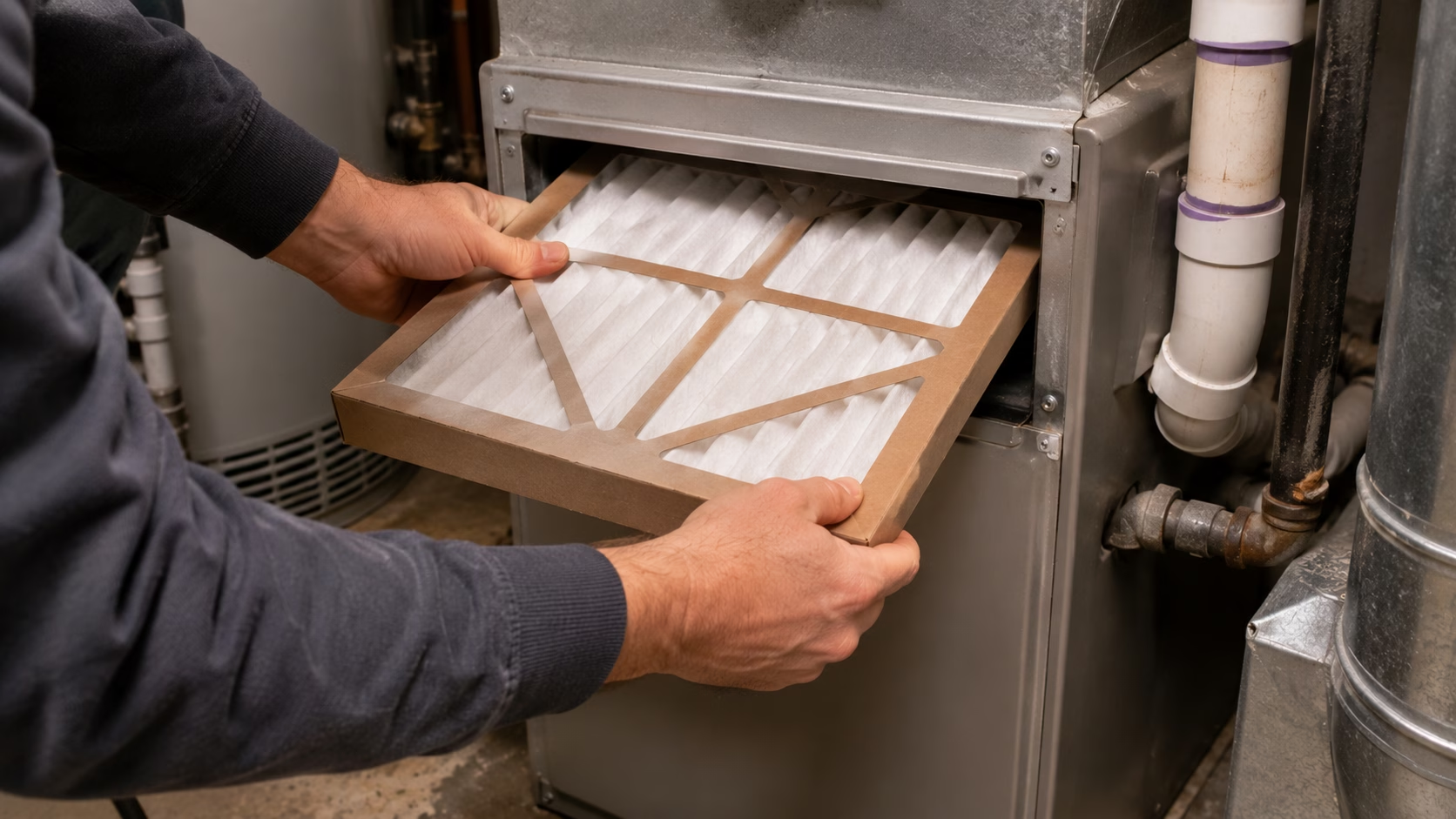
- Replace the air filter every 1–3 months. The single most important task. A clogged filter causes most furnace problems — from short cycling to blowing cold air.
- Keep vents and registers clear. Blocked supply and return vents restrict airflow and cause overheating.
- Clear the area around the furnace. Keep flammables away and give the unit breathing room.
- Check the flame color. A healthy gas flame is blue. Yellow or flickering points to a combustion problem — call a pro.
- Test the thermostat and replace its batteries. Confirm it triggers the furnace reliably.
- Test carbon monoxide detectors. Non-negotiable for any home with a gas furnace.
The Annual Professional Tune-Up
Once a year — ideally in early fall before the heating season — have an HVAC technician perform a full tune-up. A proper service includes inspecting the heat exchanger for cracks, cleaning the burners and flame sensor, checking the ignition system, testing safety controls, measuring gas pressure and combustion, lubricating the blower motor, and checking electrical connections. A professional tune-up typically runs $80–$200 (far cheaper than furnace repairs) and pays for itself in efficiency and avoided breakdowns.
Seasonal Maintenance Schedule
| When | Task |
|---|---|
| Monthly (heating season) | Check and replace filter; check vents |
| Early fall | Professional tune-up before first use |
| Start of season | Test furnace, thermostat, and CO detectors |
| End of season | Replace filter, clean around unit |
Signs Your Furnace Needs Service Now
Do not wait for the annual tune-up if you notice: rising heating bills, uneven heating, strange noises, a yellow burner flame, frequent cycling, or the furnace not turning on. These point to a problem that maintenance can catch before it becomes an expensive failure.
FAQ
How often should a furnace be serviced?
Have a professional tune-up once a year, ideally in early fall before the heating season. On top of that, replace the air filter yourself every 1–3 months during winter — that routine filter change prevents the majority of furnace problems.
How much does a furnace tune-up cost?
A professional furnace tune-up typically costs $80–$200 depending on your area and the depth of service. Many HVAC companies offer maintenance plans that bundle annual heating and cooling tune-ups at a discount.
Can I service my furnace myself?
You can and should do the basics: change the filter, keep vents clear, check the flame color, and test CO detectors. Leave the annual internal inspection — heat exchanger, burners, gas pressure, combustion — to a licensed technician, since these involve safety and specialized tools.
Sources: U.S. Department of Energy — Home Heating Systems · manufacturer maintenance guidelines (Carrier, Goodman, Trane).